
Meet the Bargaining Committee

Samuel Eastman
I am a postdoctoral researcher in the Department of Chemical and Biological Engineering, and a father of three children. As a member of the bargaining committee, I will approach the bargaining table prepared to respectfully negotiate a contract with Princeton University that is a right fit for Princeton postdocs and research scholars. During the contract development process, I will do my best to personally communicate with postdocs and research scholars to understand what they feel is important in an inclusive and empowering contract. I will work to support development of bargaining goals that are meaningful, sensible, and achievable. In particular, I will advocate for practical improvements to policies that affect postdocs and research scholars who are supporting families.
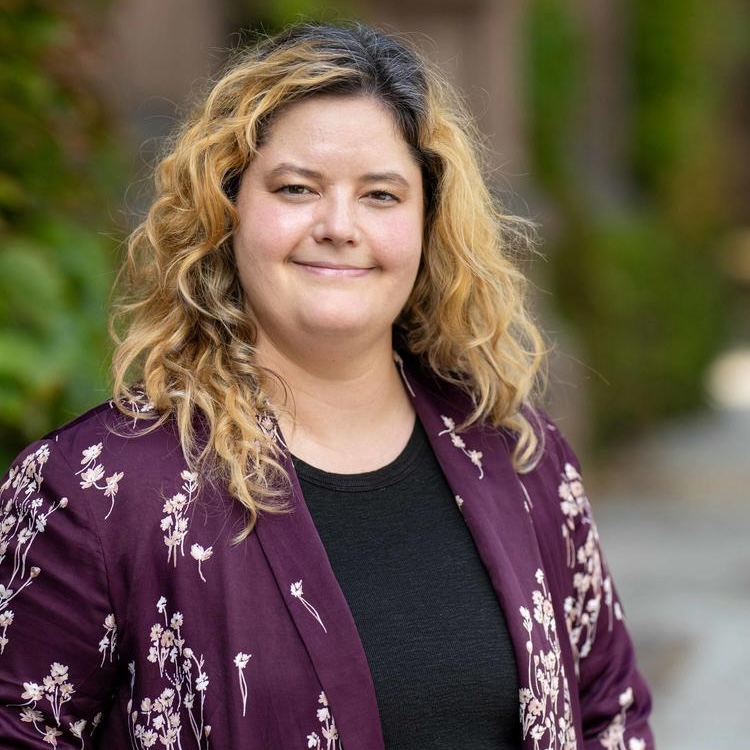
Lacy Feigh
I am currently a second-year Postdoctoral Fellow in Princeton’s Society of Fellows and Lecturer in the Council of the Humanities and History. As a Historian trained in the thematic fields of race, labor, and migration, I am keenly aware of the transformative power of unions: not only to secure workers’ rights, but also to build broader solidarity networks across social movements. My own experience organizing with UPenn’s GET-UP Graduate Workers’ campaign reinforced the importance of communication and participation across the broader union to ensure that members feel heard and supported. At Princeton I hope to draw upon this knowledge and experience to fight for a strong and fair contract for all PUPS-UAW members. As part of the Bargaining Committee, I am committed to advocating for protections aimed at securing academic freedom and workers’ safety at a time when University campuses are increasingly both targeted and policed. Postdocs should not fear unfair retaliation, especially not for expressing an opinion, reporting harassment, or otherwise disagreeing with colleagues, university administrators, or students. Additionally, to build a stronger postdoc community, I believe Princeton must expand financial, housing, and transportation support for all postdocs given the challenging housing market across the region. These policies—along with increased access to leave and care support for postdocs with families—are critical steps in ensuring a more equitable, diverse, and holistic community of postdocs at Princeton.
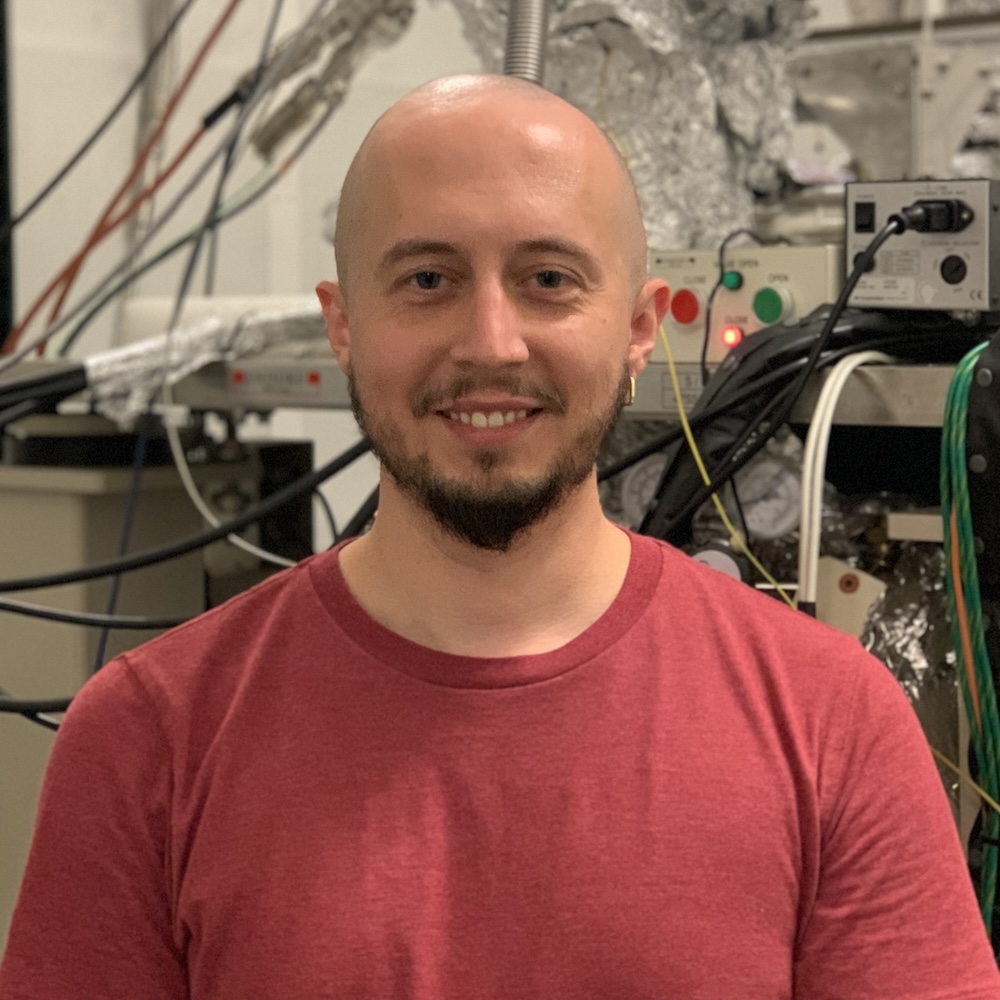
Umut Kamber
I am an Associate Research Scholar at the Department of Physics, and a member of the Bargaining Committee of Princeton University Postdocs and Scholars (PUPS). I have had the privilege to study, work, and live in three different countries (Turkey, the Netherlands, and the US) throughout my career, giving me a great opportunity to build comparative knowledge around different work/social cultures. Such an experience created many chances for me to engage with my colleagues and have long conversations about the difficulties we have faced. This made me realize that we have so many common problems, and many of which can be resolved relatively easily once we come together and start building ideas (which is what we are good at!). Hence, I joined PUPS and worked as a local department organizer last year, and then later joined the organizing committee. My goal is to help build a long-lasting postdocs and scholars community at Princeton University, that will engage in constructive conversations, create ideas to improve our work and life conditions, and communicate them with the management to ensure that we can get the most out of our time here in Princeton.
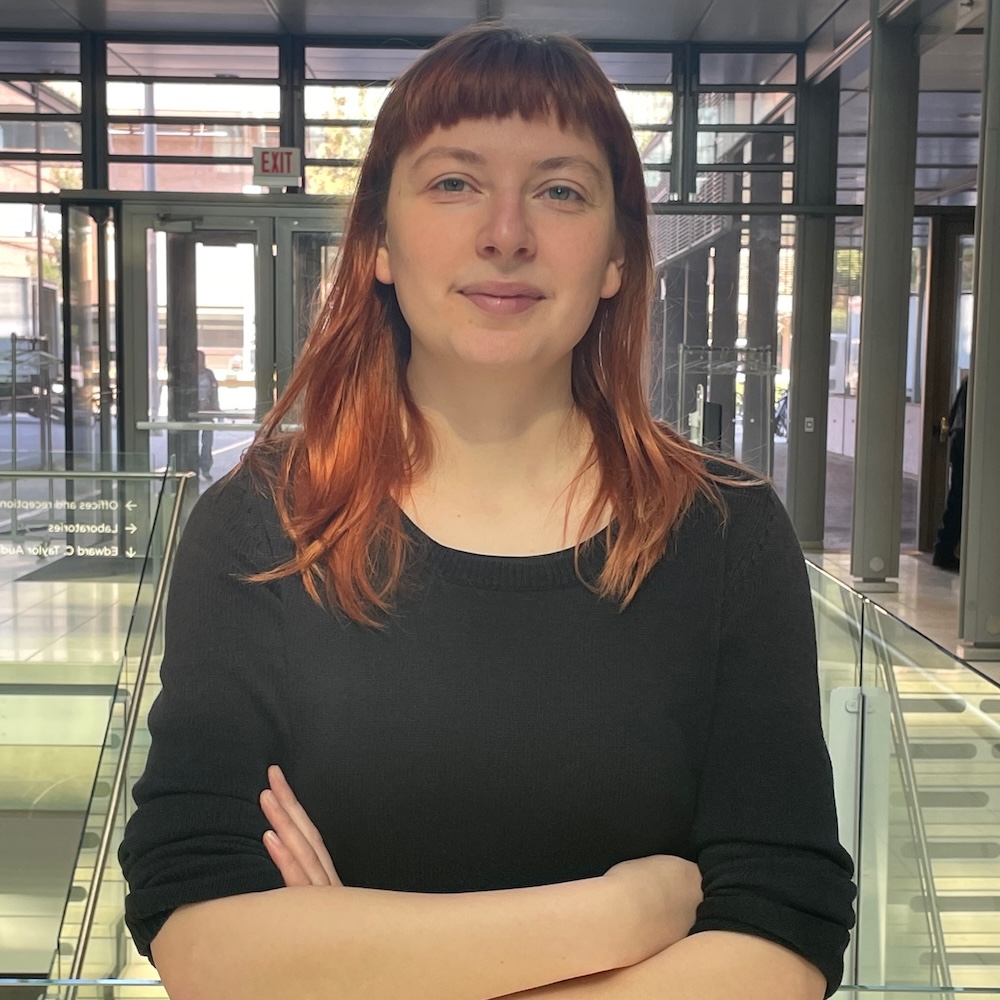
Katerina Kanevche
I am a postdoc at the department of Chemistry. Postdocs are still not seen as “regular” employees, although the immense labor, commitment and passion we put in our research makes Princeton University the prestigious institution it strives to be. How come we are next to invisible on most of the University’s events, are on the lowest priority list for university housing, international postdocs are faced with so many challenges upon relocation such as healthcare, child care, visa status, dependents, taxes, renter’s rights – the list goes on. Leveraging our collective power is the only way to get the appreciation and respect postdocs deserve.
My promise to the whole bargaining unit is that I will speak up for a better working environment, higher base salary, secured family leave and benefits for dependents, improvement of the housing conditions, support for international postdocs and ensuring our workplace rights. I do hope to learn from every one of you about the things that move you and work together to reach a fair contract.
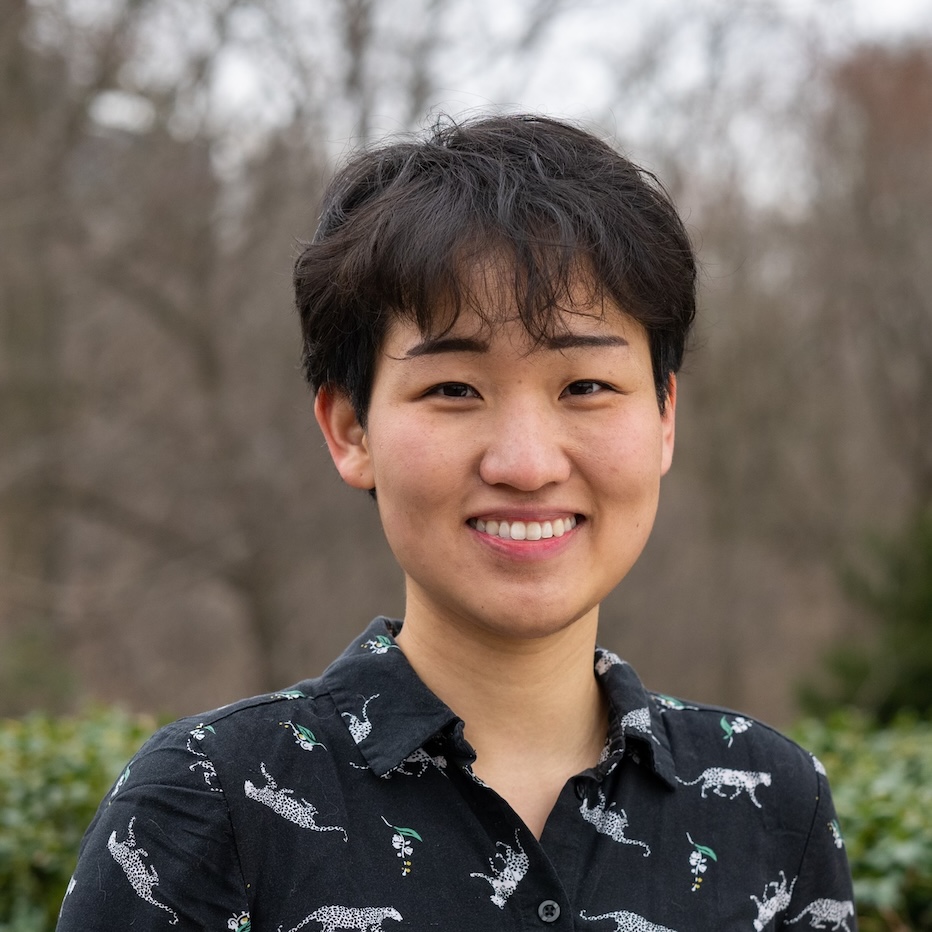
Judy Kim
I’ve helped build several unions, but I wasn’t always so pro-union. Starting grad school, I was scared that “political” activity would jeopardize my visa. I was confused about what unions are for, and I just wanted to focus on work. Then, a series of events left me feeling utterly powerless and alone. My working conditions became hostile, toxic, and unlivable, but I didn’t know who to turn to. I felt ashamed. I didn’t understand why my university, whose purported function is research and teaching, didn’t seem that interested in helping me do those things.
Gradually, I realized that my experience is common. I found peers interested in collectively building a different kind of academia. Today’s universities cannot support their researchers and educators because they don’t let us have any say. They’ve become “hedge-funds that teach classes”. And in some ways, postdocs have it worst: we’re in-transition “trainees” not worth investing in but easiest to squeeze out value from.
By organizing ourselves, we’ve been able to win a seat at the table (literally!). We’ll have to keep working together to decide what we want and to mount pressure on Princeton. As part of the bargaining team, my priority will be to build more and more relationships with everyone in our community, so we can maintain transparent communication and trust.
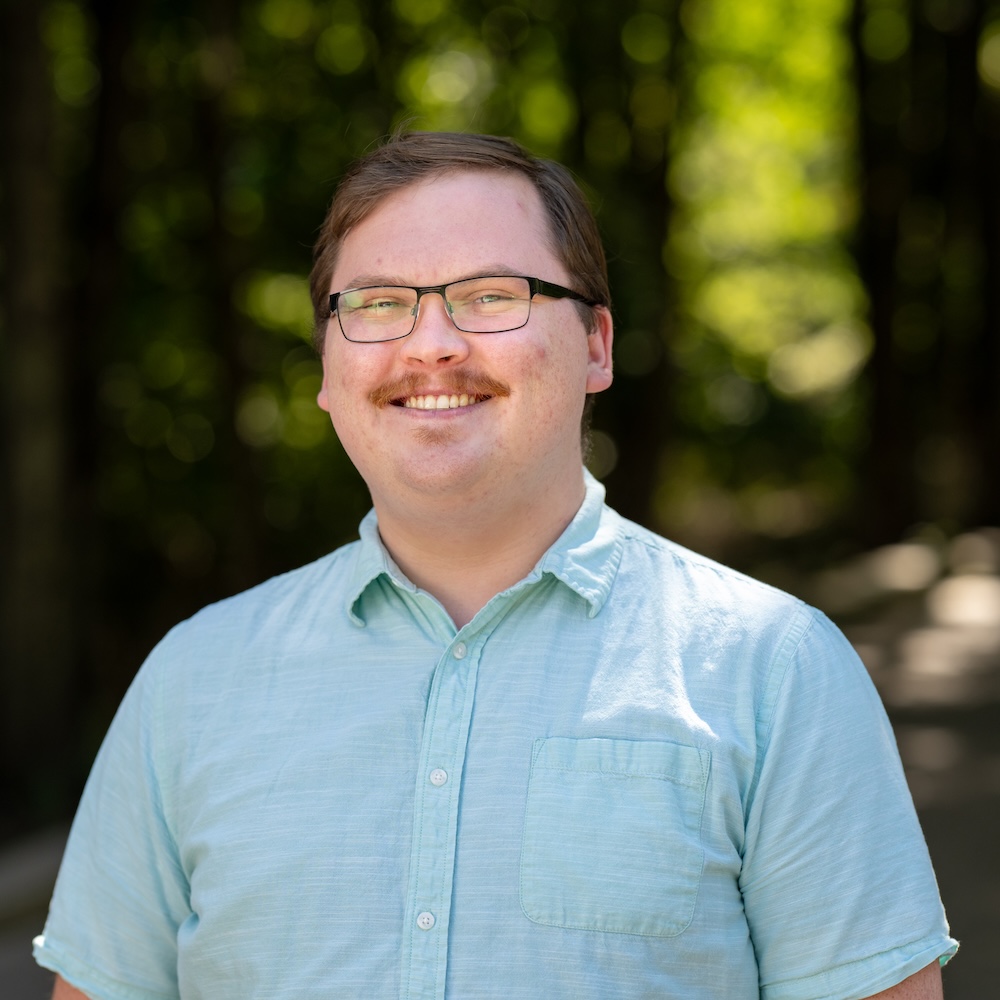
Robert Martin
I am a postdoctoral research fellow in the Chemistry department. I am excited to be a member of the Bargaining Committee for the PUPS-UAW Union. Ever since I first heard that postdocs and scholars at Princeton wanted to unionize, I knew that I wanted to be involved. I have worked on the organizing committee since January 2024 and worked during our incredibly successful card drive and the election to get out the vote and show Princeton that we are united in our desire for the PUPS-UAW union.
Organizing during the card drive and our union election showed me many of the issues that affect postdocs and scholars campus-wide: difficulties with finding affordable housing, making ends meet with our current salary and benefits, and a lack of transparency from the administration, among others. Postdocs and scholars are absolutely vital to the function of Princeton and we deserve commensurate benefits and treatment from the University. I believe that it is vital that postdocs and scholars bargain for better working conditions. The best way to do this is for the bargaining committee to have a broad range of experiences who can synthesize the research from our working groups and local organizing to bring passion, knowledge, and resilience to the bargaining table.
I am ready and willing to take on all of the responsibilities of being a member of the bargaining committee and pledge to represent the will of the postdocs and scholars at Princeton.
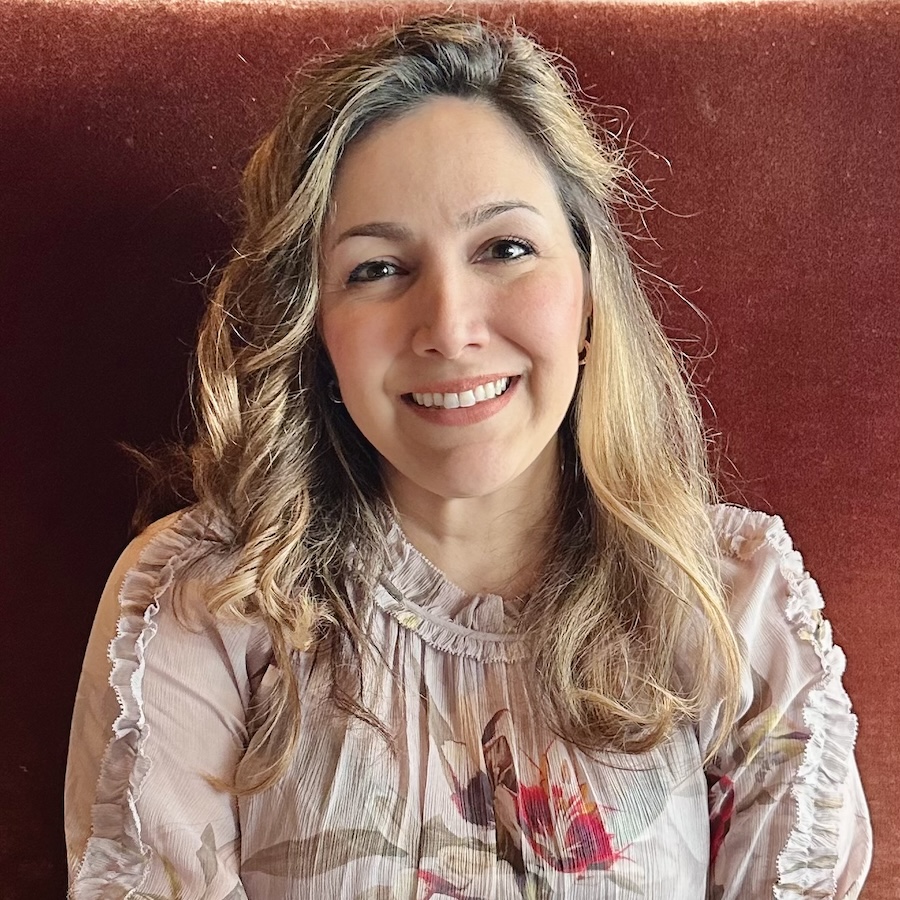
Maral Sahebjame
I am a postdoctoral research associate in the Center for Iran and Persian Gulf Studies, and I would like to represent our Union as a member of the bargaining team. Prior to arriving at PU, I was a member of UAW local 4121, the graduate student union at the University of Washington. While there, I organized door-to-door outreach with TAs for involvement with the union and solicited feedback for a new contract. I also helped organize actions that pressured administration to meet our contract demands, our TA strikes, and our participation in Board of Regents meetings. As a member of the PUPS bargaining committee, I will solicit your feedback as I work with other members to draft a contract that is inclusive and representative of everyone’s demands. Last month, I joined the housing working group as I know many of us struggle with the exorbitant cost of living. As a member of the bargaining committee, I will fiercely negotiate with the university for housing stipends and affordable health insurance for individuals and for families. To best represent our members, I will commit to clear and transparent dialogue with each of you. I will work hard on behalf of all of you to amplify your voices at the bargaining table and to negotiate the strong and fair contract we deserve.